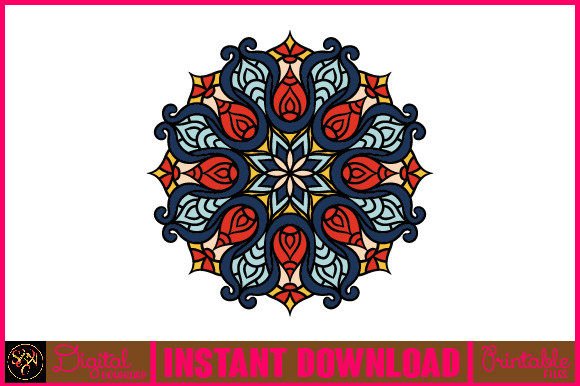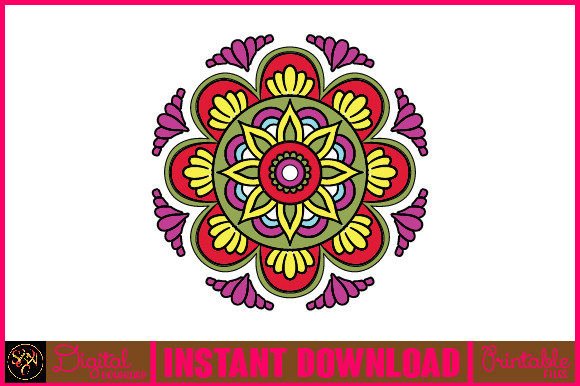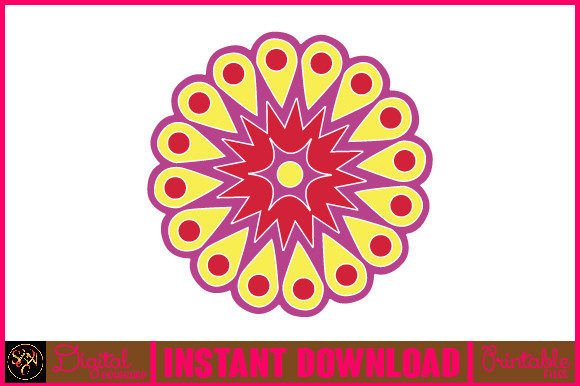
Review: Mandala 3D Layered SVG Cut File-47
As a designer who has spent years navigating the gap between digital files and physical stitches, I approach every new asset with a critical eye. The market is flooded with generic patterns, but occasionally, a file arrives that feels like it was drawn specifically for the needle. Mandala 3D Layered SVG Cut File-47 caught my attention immediately. It promises a hand-drawn colorful mandala with tribal ornamentation, a style that bridges the gap between bohemian chic and structured geometric art. Before I recommend this to my clients or use it in my own craft business, I need to know how it translates from a screen to a finished product.
First Impressions: Visual Weight and Tribal Soul
Opening the file, the first thing that strikes you is the energy. This isn't a flat, single-line vector; it has depth. The description highlights "tribal ornament" and "ornamental colorful mandala design," and visually, those elements hold up. The layered nature of the graphic suggests a rich texture once stitched. In the world of Crafts, where visual complexity often equals perceived value, this design scores high on initial appeal. It feels organic yet precise, which is a difficult balance to strike in a machine embroidery design.
The color palette implied by the "hand-drawn" aesthetic suggests warmth and vibrancy. For an Etsy seller or a boutique owner looking to refresh their inventory, this kind of Graphics asset can instantly elevate a basic white t-shirt into a statement piece. However, the real test lies in how these layers interact when converted into thread. Does the complexity create a beautiful tapestry, or does it result in a muddy mess of overlapping stitches?
Real-World Application: From Screen to Sweatshirt
To truly evaluate Mandala 3D Layered SVG Cut File-47, I imagined a specific project: a heavy-weight cotton sweatshirt for a local music festival vendor. The client wanted something bold that would stand out in a crowd. A simple logo wouldn't cut it; they needed art. I visualized placing this mandala on the back of the garment, centered and large.
In this scenario, the "3D Layered" aspect becomes a functional advantage. By utilizing different stitch types—perhaps a dense fill stitch for the background layers and crisp satin stitch for the tribal outlines—the design gains dimensionality. When light hits the raised threads, the mandala appears to pop off the fabric. This creates a premium feel that justifies a higher price point for a custom apparel item. The tribal motifs add an earthy, grounded vibe that pairs perfectly with natural fabrics like canvas or denim.
I also considered using this for a tote bag design. Tote bags are staples for small shop products, and customers love carrying art they admire. Because the mandala is symmetrical, it works beautifully as a central focal point. The intricate details would look stunning on a sturdy canvas tote, turning a utilitarian object into a fashion accessory. For holiday gifts, this design could be adapted onto pillow covers or kitchen towels, offering a sophisticated alternative to standard seasonal prints.
Navigating Technical Challenges and Fabric Choices
While the potential is high, Mandala 3D Layered SVG Cut File-47 is not without its challenges. As an experienced embroiderer, I know that detail density can be a double-edged sword. If you attempt this design on thin or stretchy fabric, such as jersey knit or silk, the high stitch count required for the layers could cause puckering. The weight of the thread might distort the fabric, ruining the symmetry of the mandala.
Furthermore, the "tribal ornament" details likely contain fine lines and tight corners. On a curved surface like a cap, these small details can get lost or misaligned. I would advise against using this specific file for hats unless you are willing to significantly simplify the outer rings. Similarly, if you are working with textured fabrics like fleece or thick wool, the intricate inner patterns might blend into the nap of the material, losing definition.
Color contrast is another critical factor. The description mentions a "colorful" design, but on dark fabric, light threads are essential for visibility. If you plan to use this for dark fabric projects, ensure your thread colors provide enough separation between the layers. Without proper contrast, the "3D" effect vanishes, and the design looks like a flat blob. Always check the stitch density before committing to a final run; too much density in one area can make the fabric stiff and uncomfortable to wear.
Strategic Use for Craft Businesses and Personal Projects
For the small business owner or creative entrepreneur, this file represents a versatile asset. It fits well within the Crafts category, appealing to customers who appreciate handmade aesthetics. Whether you are selling embroidered patches, baby embroidery items, or personalized gifts, the mandala's universal appeal makes it a safe yet stylish choice.
However, success depends on preparation. Never skip the test run. Print a printable mockup to visualize the scale, then stitch a sample on scrap fabric. Check how the stabilizer holds up under the weight of the design. For complex files like this, a tear-away or cut-away stabilizer is non-negotiable to prevent shifting during the long stitching process. Also, review the file settings in your embroidery software. You may need to adjust the pull compensation to ensure the satin stitches don't pucker.
If you are planning to sell finished goods, verify the licensing terms associated with Mandala 3D Layered SVG Cut File-47. While the product description states it is ready for printing purposes like t-shirts, commercial rights for embroidery machines can sometimes differ. Ensure you have the right to sell commercial embroidery products created with this digital embroidery file.
Final Verdict: A Designer's Take
Mandala 3D Layered SVG Cut File-47 is a strong contender for designers looking to add artistic flair to their portfolio. Its hand-drawn quality and tribal influences give it a unique personality that mass-produced designs lack. It excels on medium-to-heavyweight fabrics where the stitch density can be supported without distortion. It transforms ordinary items into collectible pieces, boosting brand consistency and customer engagement.
Just remember, great design requires great execution. Respect the limitations of your machine and fabric. Test thoroughly, choose your colors wisely, and use the right stabilizer. When done correctly, this mandala doesn't just sit on a shirt; it tells a story. For the maker willing to put in the technical effort, this file offers a rewarding path to creating high-value, professional-looking finished products.